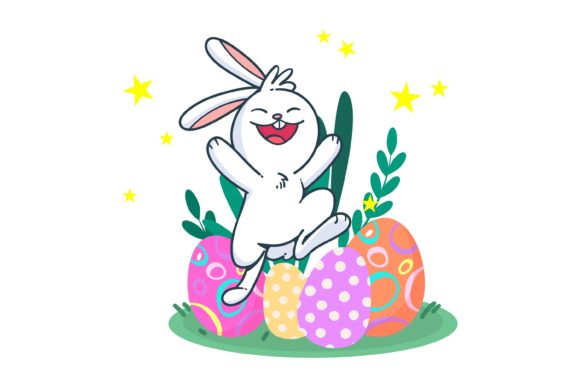
Easter Bunny Floral Egg Review
As a designer who spends more time than I care to admit staring at stitch density charts and debating thread color palettes, I don’t just look for "pretty" designs. I look for viability. When Easter Bunny Floral Egg landed on my desk, my first instinct wasn't to admire the illustration style immediately; it was to ask: does this actually work when it’s transferred from a screen to fabric? Can it survive the hoop? Will it hold up after twenty washes in a customer’s machine? And most importantly, will it sell as part of a cohesive craft business collection?
The answer, after running through a few mental simulations and mockups, is a qualified yes—but with specific caveats that every serious embroiderer needs to know before hitting the start button.
First Impressions: Mood and Visual Personality
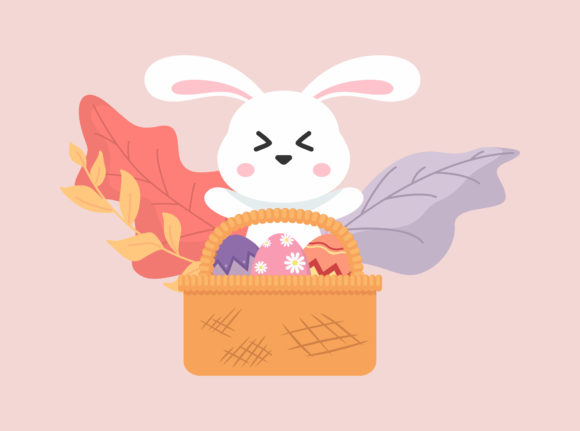
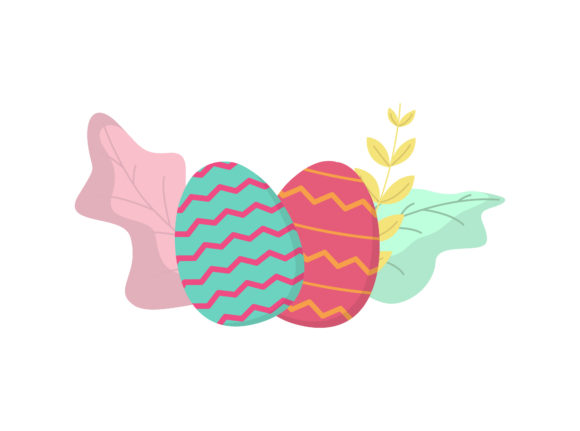
The design itself leans heavily into the whimsical yet structured aesthetic that dominates current Illustrations trends. The core concept—a bunny integrated with floral elements inside an egg shape—is classic Easter fare, but the execution feels fresh because of how the negative space is handled. It doesn’t feel cluttered. For a machine embroidery design, clutter is the enemy. If you have too many competing visual lines, your satin stitches will fight each other, resulting in a muddy, unprofessional finish.
Easter Bunny Floral Egg strikes a balance. The floral accents provide organic movement that softens the geometric rigidity of the egg outline. This creates a mood that is celebratory but not childish. That distinction is crucial. If you are targeting the Etsy seller market or building a brand for small shop product lines, you want something that appeals to millennial parents buying nursery decor, not just toddlers. This design bridges that gap. It feels like a personalized gift that an adult would be proud to display or wear, rather than a novelty item that gets tossed aside after the holiday.
Real-World Application: Where Does It Fit?
Let’s talk about where this design actually shines. In my experience, the best embroidery projects are those where the design complements the function of the item. I’ve been thinking specifically about preparing inventory for a spring craft fair or updating an online boutique listing.
Imagine a sturdy canvas tote bag design. Placing Easter Bunny Floral Egg centered on the front offers a perfect focal point. The scale of the graphic, which comes in high-resolution assets (3000 px X 2000 px), allows for significant scaling without losing integrity. On a tote, you can go large. The floral details remain crisp, and the overall composition reads clearly even from a few feet away. This is vital for commercial embroidery where visibility drives sales.
Similarly, consider a heavy cotton sweatshirt. Spring weather is unpredictable, and layered clothing is a staple. A sweatshirt embroidery featuring this motif adds a touch of seasonal cheer without being overly loud. Because the design has a balanced weight—neither too sparse nor excessively dense—it sits well on knit fabrics without causing puckering, provided you use the correct stabilizer. It transforms a basic garment into a custom apparel piece that feels intentional and curated.
For smaller items, such as kitchen towels or aprons, the design works beautifully as a corner accent or a central chest placement. It elevates simple linen or cotton blends into premium handmade product offerings. The floral theme ties naturally into home goods, making it a versatile asset for design assets libraries aimed at home decor enthusiasts.
Technical Considerations and Stitch Clarity
This is where the rubber meets the road. As an embroidery file reviewer, I must emphasize that digital beauty does not always translate to stitched perfection. The source files include AI, EPS, SVG, DXF, JPG, and PNG formats, which gives you flexibility in vector editing, but the final output depends entirely on your digitizing choices.
If you are converting this yourself or adjusting a pre-digitized version, pay close attention to the stitch density. The floral petals and the bunny’s fur textures likely rely on a mix of fill stitches and satin stitches. Ensure that the underlay is sufficient to anchor the design, especially if you are working with stretchy fabrics like jersey knits for baby clothes. Without proper stabilization, these delicate areas can distort, ruining the symmetry of the egg shape.
Also, consider the thread colors. The design’s success often hinges on contrast. On dark fabrics, you’ll need a substantial cut-away stabilizer and possibly a backing layer to prevent the fabric texture from showing through the lighter threads. Conversely, on white or pastel backgrounds, ensure your black or dark outlines are distinct enough to define the shapes. I always recommend testing your colorway by converting the design to grayscale first. If the shapes merge together in black and white, they will likely struggle in color too.
Where to Use With Caution
No design is universal, and Easter Bunny Floral Egg is no exception. There are several scenarios where this particular graphic might struggle:
- Small Hoop Sizes: If you attempt to shrink this down to fit a tiny 2x2 inch hoop, you risk losing the intricate floral details. Satin stitches may become too narrow to hold their shape, leading to gaps or thread breaks. Reserve this for hoops of at least 4x4 inches unless you are simplifying the digitization significantly.
- Textured Fabrics: Bouclé, heavy tweeds, or highly textured weaves can obscure fine details. The subtle curves of the bunny’s ears and the flower centers may get lost in the fabric’s surface noise. Stick to smooth cottons, linens, or blends for the cleanest result.
- Curved Surfaces: While caps and hats are popular, placing a complex, symmetrical design like an egg on a curved brim or crown can be tricky. Distortion is common. If you must use this on headwear, consider a flat patch application or a simplified version of the design.
- Dense Stitch Areas: Avoid using this on thin, sheer fabrics. The weight of the fill stitches can cause the fabric to pucker or tear over time, especially if the item is subjected to frequent washing.
Impact on Brand and Customer Trust
From a business perspective, the quality of your embroidery directly impacts customer trust. A poorly executed design looks cheap, regardless of how good the original Graphics were. Easter Bunny Floral Egg, when stitched correctly, signals professionalism. It shows that you understand composition, balance, and technical execution.
This matters for brand consistency. If your shop sells handmade gifts, you want your products to look cohesive. Using a design that has clear visual hierarchy helps your items stand out in a crowded marketplace. Customers are more likely to leave positive reviews and recommend your finished product if the embroidery looks sharp and durable. It reduces returns caused by dissatisfaction with print quality.
Furthermore, the versatility of this design supports multiple marketing angles. You can market it as a holiday embroidery special, a baby embroidery milestone gift, or a spring home decor update. The broad appeal increases your potential customer base, allowing you to test different niches with a single core asset.
Final Designer Verdict
Easter Bunny Floral Egg is a strong contender for any embroiderer looking to expand their spring collection. It offers a blend of traditional charm and modern graphic sensibility that resonates with today’s buyers. However, its success lies in the preparation. Test it on scrap fabric first. Check your hoop size limits. Inspect small details for clarity. Confirm whether the licensing allows for commercial use if you plan to sell the finished items.
When done right, this design transforms from a simple digital image into a tangible, cherished object. It captures the spirit of the season while maintaining the structural integrity required for professional-grade embroidery. For the creative entrepreneur willing to put in the setup time, the payoff in both aesthetic satisfaction and sales potential is significant. Just remember: the design is only as good as the stitch behind it.