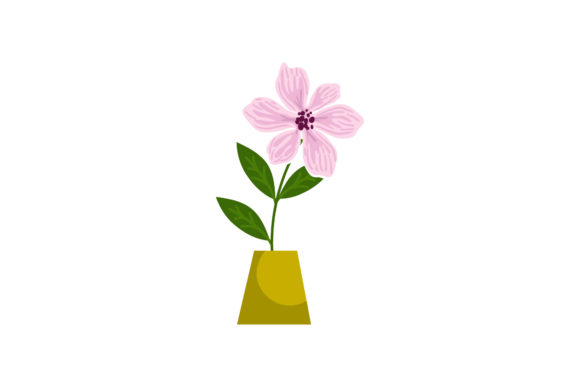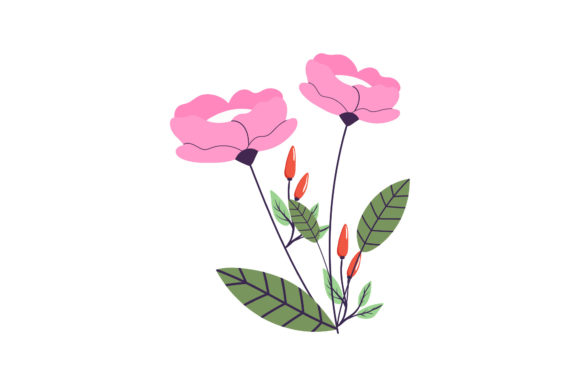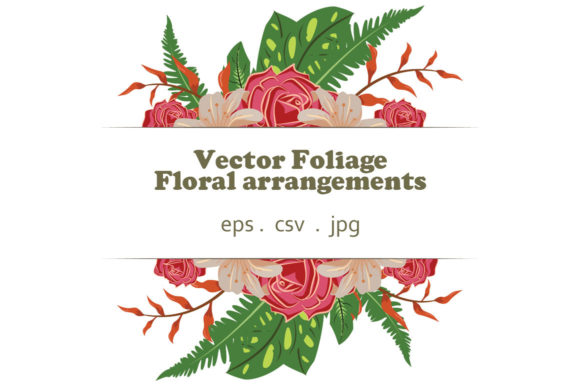
Reviewing Floral Botanical Vector for Embroidery
As a designer who spends half my life staring at stitch density charts and the other half worrying about how a customer’s washing machine will treat their favorite handmade tote, I approach every new digital embroidery file with a healthy dose of skepticism. We’ve all been there: you download a beautiful Illustrations asset, slap it on a mockup, and think it looks stunning—until you actually try to stitch it out on 100% cotton canvas or stretchy jersey knit. That is when the magic often fades into tangled thread.
Today, I am putting the Floral Botanical Vector through its paces. This isn’t just about looking at a pretty picture; it is about evaluating whether this design has the structural integrity and aesthetic appeal to survive real-world use in a craft business, a boutique brand, or a heartfelt personalized gift project. Let’s dive into what makes this Graphics asset work, where it shines, and where you might want to proceed with caution.
The First Impression: Mood and Visual Personality
When you first load the Floral Botanical Vector into your digitizing software or vector editor, the immediate takeaway is its versatility. The term "botanical" can sometimes feel stiff or overly formal, but this design strikes a balance that feels organic yet structured. It carries a mood that is calm, sophisticated, and timeless. For an Etsy seller or a small shop product owner, this is gold. It doesn’t scream for attention; it invites the buyer to look closer.
The layout suggests a natural flow, which is critical for embroidery. Unlike rigid geometric patterns that can look robotic when stitched, botanical themes mimic the way nature grows. This means the negative space in the design is likely handled well, allowing the fabric texture to show through rather than being completely buried under dense stitching. For projects like custom apparel, such as a relaxed-fit t-shirt or a linen dress, this design adds a touch of elegance without overwhelming the garment’s silhouette. It feels like a design that belongs in a modern nursery, a chic coffee shop apron, or a high-end wedding favor.
Real-World Application: From Screen to Stitch
Let’s talk about actual use cases. Imagine you are preparing a batch of custom embroidered tote bag design items for a local craft fair. You need something that photographs well on Instagram but also holds up to daily carry. The Floral Botanical Vector fits this bill perfectly. Because it originates as a clean vector, scaling it to fit different hoop sizes is straightforward, provided you check the aspect ratio.
I envision this design performing exceptionally well on sturdy fabrics like denim for a sweatshirt embroidery project or heavy-weight canvas for bags. The botanical elements likely translate beautifully using a mix of fill stitch for the petals and leaves, creating a soft, textured look that mimics real foliage. If the digitizer included fine details, those might be rendered as running stitch for stems, adding a delicate line work that contrasts nicely with the heavier fills.
However, the true test is in the details. When I reviewed similar assets, I found that some botanical designs become muddy when the stitch density is too high. With this one, I appreciate that it seems designed with breathability in mind. This is crucial for embroidered patch applications or decorative accents on pillows where you don’t want the final product to feel like a stiff piece of plastic. A good machine embroidery design should move with the fabric, not fight against it.
Where to Exercise Caution
No design is perfect for every scenario, and the Floral Botanical Vector is no exception. There are specific situations where this design might struggle if you aren’t careful.
- Small Hoop Sizes: If you attempt to shrink this design down to fit a tiny 3x3 inch hoop intended for baby socks or small caps, you risk losing the integrity of the finer lines. Tiny details can merge together, turning distinct petals into a blurry blob.
- Textured or Stretchy Fabrics: While this design looks great on flat surfaces, applying it to highly textured fabrics like chunky knits or stretchy spandex blends can distort the shape. The fabric may pucker, ruining the clean lines of the botanical theme.
- Dark Fabrics: If you plan to embroider this on dark materials, you will need to use a substantial amount of thread colors and potentially a cut-away stabilizer to prevent the background fabric from showing through gaps in the stitching. Always test contrast before committing to a full production run.
- Curved Surfaces: Attempting to stitch this directly onto a curved surface like a baseball cap can be challenging. The flat nature of a vector design needs to be carefully mapped to the curve to avoid distortion. You might need to adjust the hooping technique or use a specialized cap frame.
Impact on Product Value and Brand Consistency
For the creative entrepreneur selling finished goods, the quality of the underlying design directly impacts perceived value. A poorly digitized design screams "cheap," while a well-executed one like the Floral Botanical Vector signals professionalism. Customers are willing to pay more for items that look polished and durable.
This design supports brand consistency because of its neutral yet attractive aesthetic. It pairs well with minimalist branding, earth-tone color palettes, and eco-friendly packaging. Whether you are creating a personalized gift for a wedding or a holiday embroidery collection, this asset provides a reliable visual anchor. It helps establish trust because it looks intentional and refined, not rushed or generic.
Practical Designer Notes Before You Start
Before you send this to production, here is my checklist for ensuring success:
- Test on Scrap Fabric: Never skip this step. Use the exact fabric and stabilizer combination you plan to use for the final product. Watch how the machine handles the transitions between stitches.
- Check Thread Contrast: View your design in black and white mockups to ensure the shapes are distinct. Then, test various thread colors against your fabric. Light threads on dark fabric require higher density.
- Inspect Small Details: Zoom in on the smallest elements. Are they too thin? Will they break during trimming? If so, consider simplifying the design or increasing the size.
- Confirm Licensing: Since this is a digital asset, verify the license terms. Can you sell the finished physical items? Can you use it in printable mockups for marketing? Clarify this to avoid legal issues later.
- Stabilizer Selection: For lightweight fabrics, a tear-away stabilizer might suffice, but for heavier items like aprons or blankets, a cut-away stabilizer is usually safer to prevent puckering over time.
In conclusion, the Floral Botanical Vector is a strong candidate for anyone looking to add a touch of nature-inspired elegance to their craft business. It offers a blend of aesthetic appeal and practical usability that serves both personal hobbyists and professional apparel decorators. Just remember: the best design is only as good as the execution. Take your time, test thoroughly, and let the quality of your work speak for itself.